Key Takeaways
- Choose the right mixer type: planetary, spiral, or vertical, based on whether you’re making doughs, batters, or diverse products.
- Match bowl capacity to daily production volume, ranging from 5-quart countertop units to 140-quart floor models.
- Select appropriate motor horsepower: under 1 HP for light batters, 5+ HP for heavy doughs.
- Prioritize durable construction materials and safety features like interlocking guards and emergency shut-offs.
- Consider future business growth to avoid premature equipment replacement when production demands increase.
Types of Commercial Mixers and Their Applications

Versatility defines the planetary mixer, the workhorse of most commercial kitchens. You’ll find planetary mixers excel at handling dough, icings, and batters with their stationary bowl and rotating attachment design. They’re your go-to solution when you need one machine for multiple applications.
When you’re producing artisan breads or working with high-hydration formulas, spiral mixers become crucial. These specialized dough mixers rotate both the bowl and spiral hook simultaneously, delivering superior gluten development for heavy dough production.
Your operation may also benefit from cutter mixers for chopping and kneading tasks, vertical mixers for diverse product ranges, or tiltover mixers when you’re scaling up production. Tiltover models streamline workflow by transferring dough directly into dividers, reducing labor strain and enhancing efficiency.
Size and Capacity Requirements for Your Operation
Once you’ve identified the right mixer type, capacity is the next critical part of commercial mixer selection for kitchens. Commercial mixers range from 5-quart countertop units to floor models exceeding 140 quarts. Selecting an inadequate mixer capacity leads to overloading and premature wear, while oversized equipment produces inconsistent results with smaller batches and wastes valuable floor space.
When calculating your requirements, consider these factors:
- Daily production volume and typical batch sizes for your operation
- Absorption ratio (water weight ÷ flour weight) for dough production calculations
- Projected growth that may increase future capacity demands
You’ll want to consult manufacturer-specific capacity charts to prevent overfilling, which compromises mix quality and shortens equipment life. At All Southern Fabricators, we encourage operators to match mixer capacity not only to current throughput but also to planned menu changes and expansion. That way, your mixer and any surrounding stainless fabrication, like custom stands, ingredient rails, and mobile carts, remain efficient as you grow.
Essential Features to Evaluate Before Purchasing

Start by matching mixer capacity to your production demands. Units range from 5 quarts to over 140 quarts, so you’ll want equipment that handles peak volumes without overloading. Variable speed control lets you fine-tune RPMs for delicate batters or heavy doughs, giving your team precision that separates professional operations from amateur setups.
Durability hinges on construction materials. Die-cast aluminum suits moderate use, while rigid cast iron withstands relentless high-volume environments. Don’t overlook motor horsepower; countertop models typically offer under 1 HP, whereas floor units exceed 2 HP for demanding applications. Finally, prioritize safety features like interlocking guards and emergency shut-offs to protect your crew and maintain compliance.
Comparing Top Commercial Mixer Brands and Models
Aside from evaluating core specifications, commercial mixer selection for kitchens also means matching those requirements to specific equipment that delivers consistent results across your production cycles. Hobart’s planetary models stand out in commercial kitchens due to their gear-driven transmissions and extensive attachment compatibility, and they are frequently referenced in industry buying guides.
When evaluating mixer capacity options, consider these proven performers:
- A200 20-Quart Mixer: Features a 1/2 HP motor with dual bowl compatibility, ideal for midsize operations requiring versatility.
- H600 60-Quart Mixer: Delivers 2 HP with 4-speed transmission and optional power bowl lift for high-volume environments.
- V1401 140-Quart Mixer: Built with a 5 HP motor and heavy-duty transmission for industrial-scale production demands.
These specifications position Hobart ahead of many competitors for reliability and serviceability. At All Southern Fabricators, we don’t manufacture mixers, but we routinely design custom stainless stands, surrounds, and workstations that integrate with these models, optimizing ergonomics and workflow in your kitchen.
Matching the Right Mixer to Your Business Needs
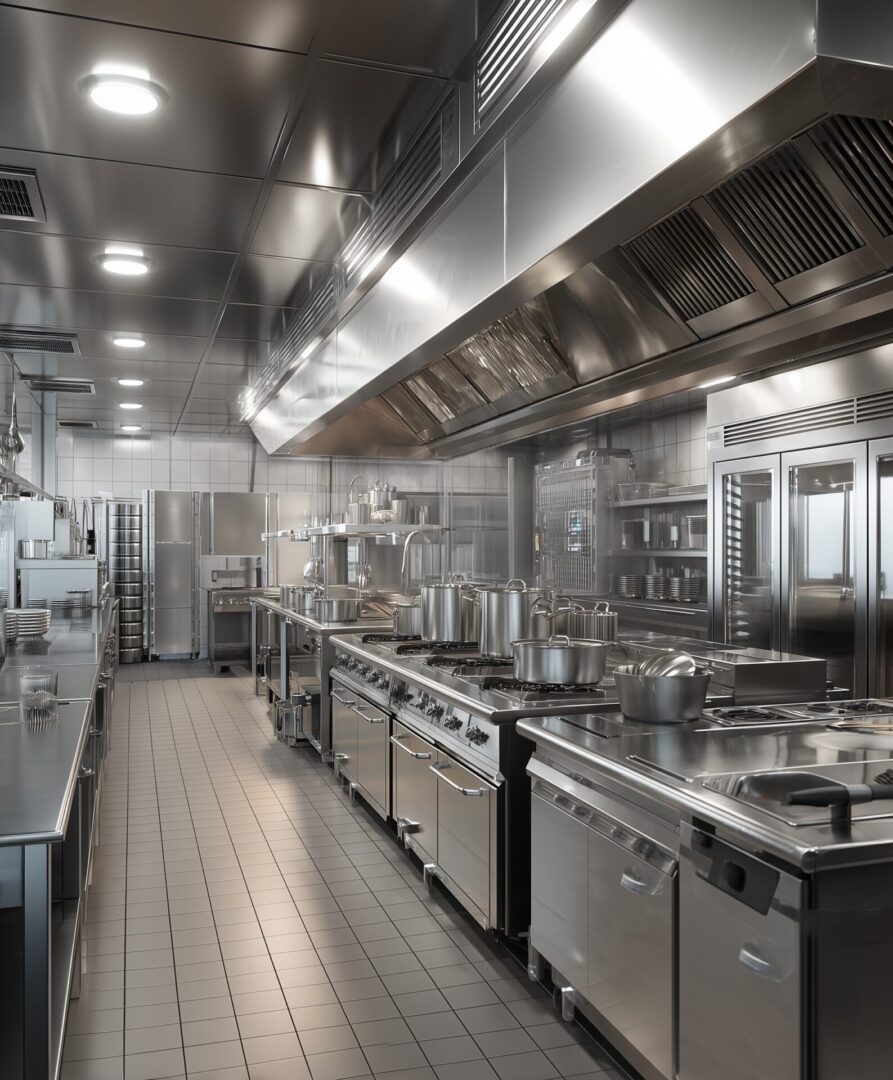
Three critical factors determine whether a commercial mixer will meet your operational demands: mixer type, bowl capacity, and motor horsepower. For commercial dough production, spiral mixers deliver superior gluten development, while planetary models offer attachment versatility for diverse mixing applications.
When choosing the right mixer, calculate your peak daily volume to determine the ideal mixer capacity. Units range from 10-quart countertop models to 140-quart floor units. Undersizing leads to equipment strain; oversizing wastes capital and floor space.
Motor horsepower must align with your product density. Light batters require under 1 HP, while heavy bread doughs demand 5+ HP configurations. You’ll also want variable speed control and robust safety mechanisms. Factor in future growth, your mixer should accommodate menu expansions without requiring immediate replacement.
Frequently Asked Questions
What Maintenance Schedule Should I Follow to Extend My Commercial Mixer’s Lifespan?
You should lubricate gears monthly, inspect drive belts quarterly, and schedule professional servicing annually. Clean attachments after each use, check planetary shaft alignment regularly, and replace worn agitator components promptly. Your mixer’s longevity depends on consistent preventive care.
How Do I Properly Train Staff to Safely Operate a Commercial Mixer?
“Safety first, production second.” You’ll train staff by demonstrating proper guard usage, bowl-locking mechanisms, and emergency stop procedures. Review manufacturer specifications together, practice hands-on supervision, and guarantee everyone’s certified before they’re part of your team’s operations.
What Warranty Options Are Typically Available for Commercial Mixer Purchases?
You’ll typically find one to three-year warranties covering parts and labor on commercial mixers. Extended warranty packages often protect motors, gearboxes, and electrical components. You should register your equipment promptly to activate your coverage benefits.
Can I Purchase Replacement Parts Directly From the Manufacturer?
Yes, you can purchase replacement parts directly from Hobart’s authorized distribution network. You’ll find genuine OEM components, including attachments, bowls, and drive assemblies, ensuring your mixer maintains peak performance specifications and operational reliability throughout its service life.
What Electrical Requirements Should I Verify Before Installing a Commercial Mixer?
Before you install your mixer, verify your outlet’s voltage (typically 120V or 208-240V), amperage capacity, and phase requirements like a telegraph operator checking connections. You’ll want to confirm your circuit can handle the motor’s startup surge.